Dear Parents,
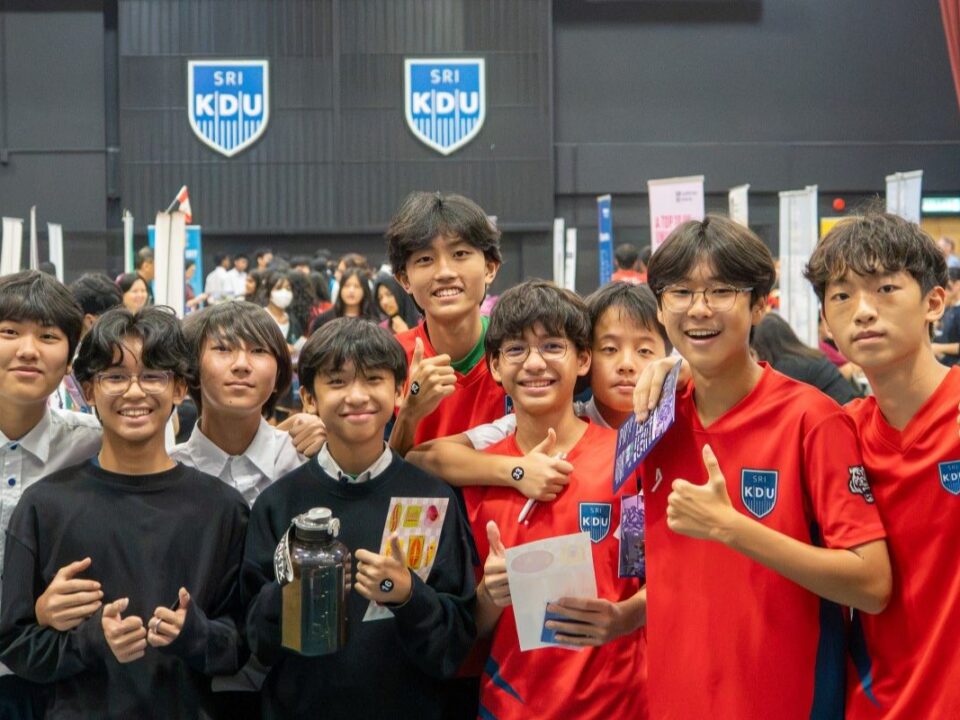
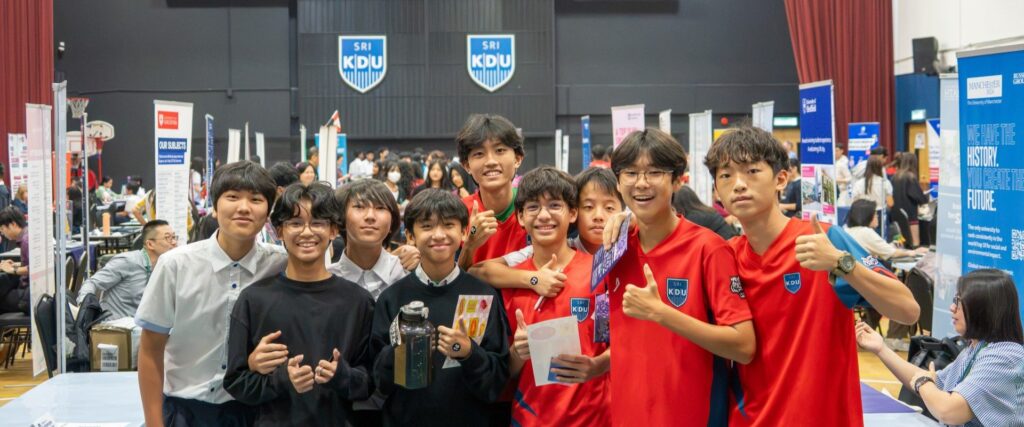
It was interesting talking to our A Level students at the Mabecs University Fair in school this week and to hear them talk about potentially ‘twinning’ their university experience with an international university experience overseas, 2 years here, 1 year there or in the case of most overseas university expectations, 1 year in Malaysia and 2 years at the international university. Obviously, there is both a financial and quality control aspect for the overseas universities, but the challenges faced with set timeframes sparked a memory of a pertinent educational point by Todd Rose in his book ‘The End of Average: How We Succeed in a World That Values Sameness’. Rose asked the question ‘why do most degree courses take the same period of time – 3 years – regardless of the student’s subject or the student’s ability? Take Sri KDU students for example, all talked with passion about business degrees, law degrees, medicine, and psychology to name a few and all very different, but the timing of virtually all their degrees? 3 years. The time to complete most degrees? 3 years. Similarly, Rose argues that traditional schooling, particularly in university methods, often operates on
the assumption that the "average" student exists, which leads to the idea of one-size-fits-all educational practices. At Sri KDU we recognise that students are unique, with individual strengths, weaknesses, and learning styles and our Future Proof Preparation and Holistic Character Development promises are designed to reflect this intent. Whereas curriculum and assessments based on the 'average' learner, ignore the diversity in students' needs, abilities, and interests, we always hope at Sri KDU to ensure that within our curriculum we have elements of student-led learning and choice, personalisation of learning and suitable challenge. The ultimate aim is finding the "right fit" for students where they can engage with content that resonates with their individual learning styles. One of my roles as Vice Principal is the whole school development and enhancement of learning and teaching. This week all staff participated in a third whole school professional development session that included discussion around best learning and teaching practice. Staff identified as having strengths in methods that allow for flexibility in teaching, such as differentiated instruction,
challenge, student-led learning, student agency, etc. will be sharing how they cater for individual learners in a series of peer observations. The idea is also that learning and teaching toward ‘Top Academic Outcomes’ do not need to focus solely on metrics that
don't capture the full scope of a student's abilities or potential but conversely foster the importance of deep, conceptual learning, avoiding the ‘Averageness’ of a one-size fits all approach! Equally, as our Sri KDU students have multidimensional talents, they need
flexible, supportive learning environments and it is no coincidence that such environments are a key element of our learning and teaching vision, our lesson observations and our ‘best practice’ model. Furthermore, Todd Rose’s also advocates for a focus on fully developing
children’s unique potential rather than meeting arbitrary benchmarks. As a school, I hope we echo this when emphasising to parents that focusing on their children’s strengths more than their gaps is where the potential or passion often is and this should be celebrated and
harnessed accordingly.
As we guide our students towards Top Academic Outcomes, Holistic Character Development and Future Proof Preparation, it’s essential to reflect on how we view time in education—not as a limitation but as a tool to empower creativity and personal growth. I recently watched a Tik Tok (yes older people do watch them) about a fascinating place called Sommarøy, a small town in northern Norway, which once proposed becoming a “time-free zone.” During the Arctic summer, where the sun never sets, residents sought to embrace flexibility over rigid schedules, allowing life to flow naturally and creatively. They did this by abandoning clocks and traditional time recording methods. So in summary, I am going to use Sommarøy as an analogy! In education, we can also encourage students to break free from traditional constraints of time, allowing them to progress at their own pace, explore learning deeply, and discover innovative ways to reach their goals. By emphasising flexibility and personalised learning, we create an environment where time becomes a resource for potential rather than a barrier to success. Listening to our A level students discuss their goals passionately this week, it was easy to see they are anything but average, and I hope that their chosen university recognises their potential and gives them fulfilment, whatever the time cap!
Have a lovely weekend,,
David Wilcock,
Vice Principal and Head of Primary,
On behalf of the Senior Leadership Team.














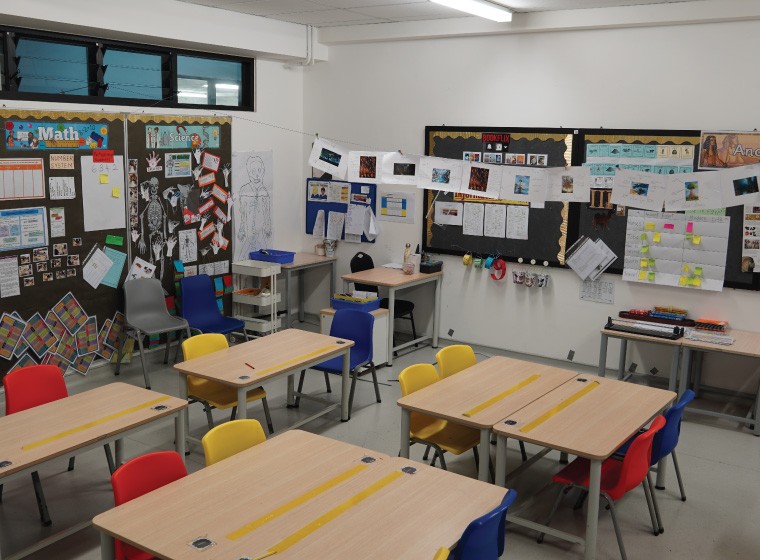
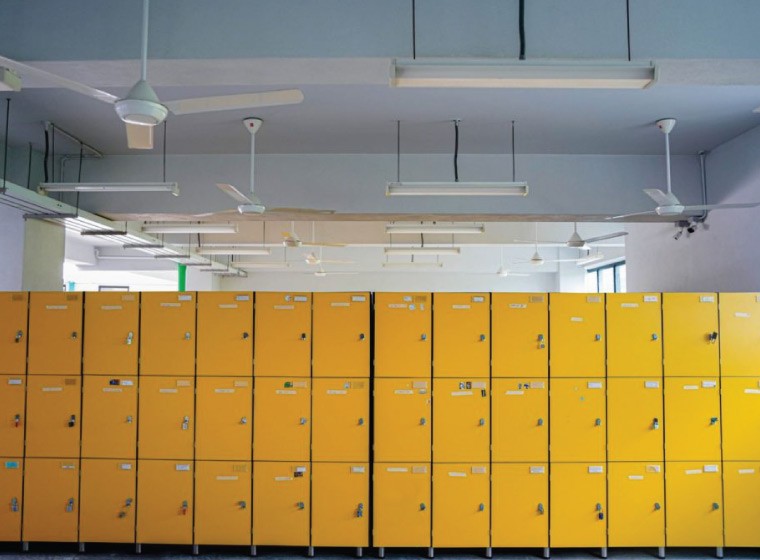
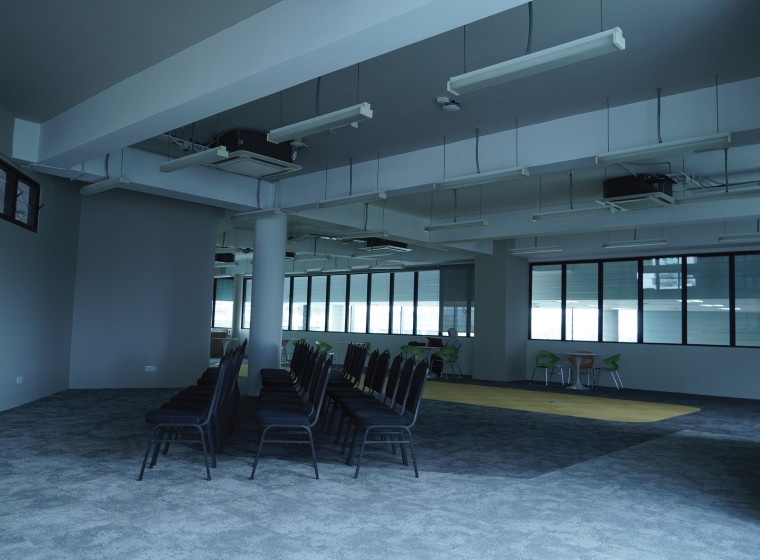
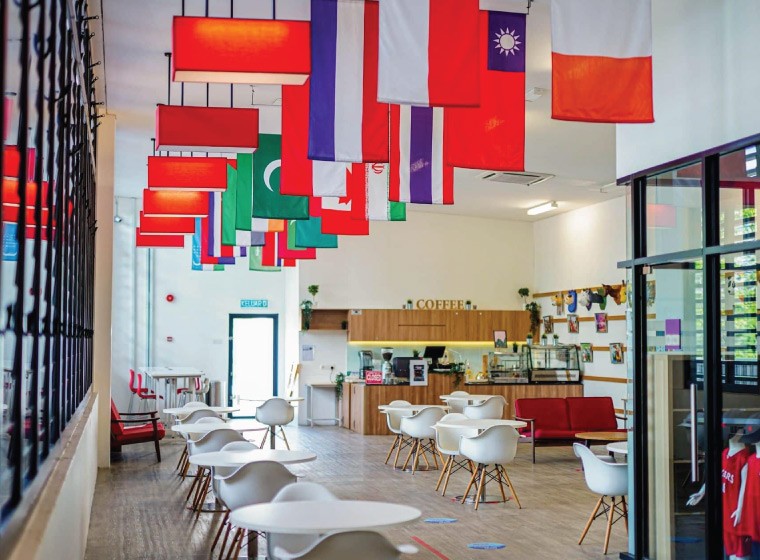
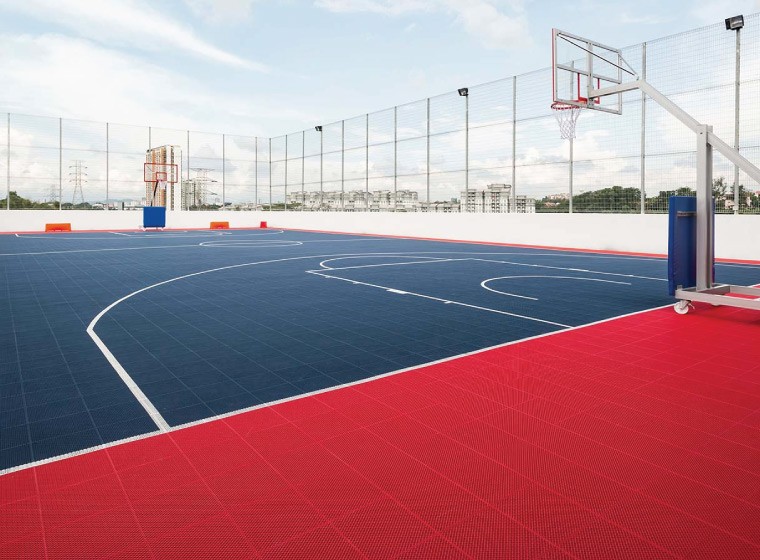
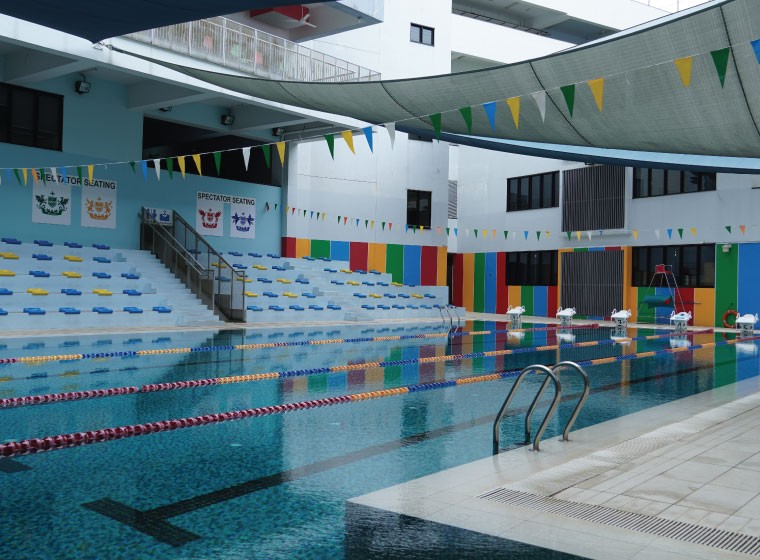



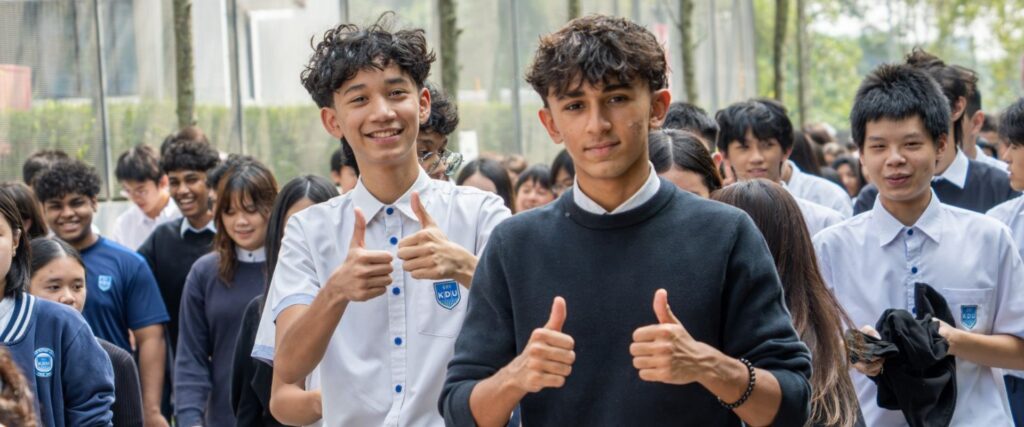
My son loves Sri KDU International School Subang Jaya. He enjoys good quality teachers who build his self-confidence and motivation. He is immersed in daily exchange of best practices with his fellow classmates. His learning is not confined to the classroom as lessons include physical education where various types of sports are available. Above all, his friends and classmates here are able to collaborate positively to bring out the best in one another.
We cannot possibly itemise every single reason he loves it here but this school is now his second home – and that is saying a lot!