Dear families,
I wonder when was the last time you had a conversation with a four-year-old child? One
thing we do know is that children of that age ask a lot of questions. Some days, as parents
of younger children, we find ourselves needing some peace and quiet rather than being
bombarded by questions all day. However, if you are a parent of a teenager, then you
probably long for the days of when your child was more communicative! My advice to
parents of younger children is enjoy it while you can and to try and be more patient. When
I was a child, sometimes the answer I was given seemed like a final answer. If I dared to ask
why too many times, eventually I was told that that was just the way it was or, worse, to
stop asking questions!
Simone de Beauvoir believed that one of the best ways to stay relevant and to fend off old
age is to think more like a small child and stay curious. Good primary school teachers are
often able to think (and sometimes, act) like children. Although this skill may change
slightly as students become older, it remains true that the best teachers are able to put
themselves into the minds of their students in order to pitch the teaching and learning at
the right level.
In a recent staff meeting, I made a point that we can all learn from the Early Years because I
would like to see classrooms be more like the ones that I see down in our two youngest
classes. What do I see when I go into the classrooms of our youngest students? I see
classrooms built around curiosity. Lessons are structured around questions that the children
might have about the world around them and how and why things happen to be the way
that they are. I can't see any reason why a classroom for older students can't be structured
in this way. As our recent units of inquiry have shown, questions are at the heart of learning.
With continuous provision and similar Early Years initiatives, students can have some
agency over their own learning and make sense of their own questions using a variety of
teaching methods and resources. Rather than just being told the 'right' answer, by asking
questions and being provided with carefully-structured lessons and activities that help us to
find our own answers, we can make sense of the world from our own starting points and
perspectives.
We should never tire of asking or answering questions. For Simone de Beauvoir, once we
cease to be curious and stop asking questions - of ourselves, of the world, of others - we
are ceasing to exist. Keep this in mind the next time a child asks you a question - and
consider your response carefully.
Finally, if you are the parent of an older, uncommunicative child, ask them a question or
share something that you are curious about, you never know how and when a conversation
might grow!
On behalf of all the curious community at Sri KDU Subang Jaya, I wish you an inquisitive
week.
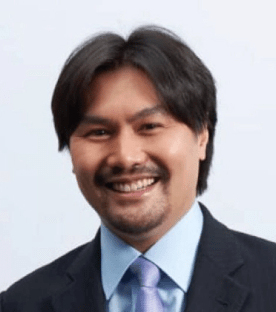
Simon Greenhalgh.
Deputy Head of Primary,
On behalf of the Senior Leadership Team.



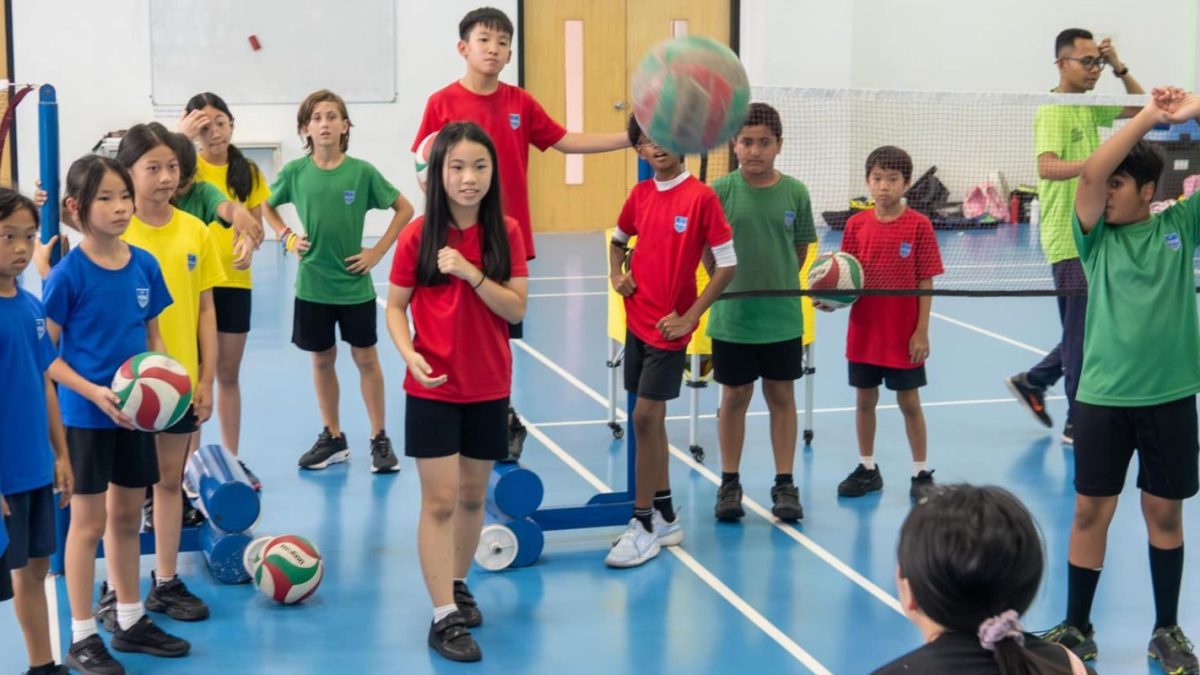














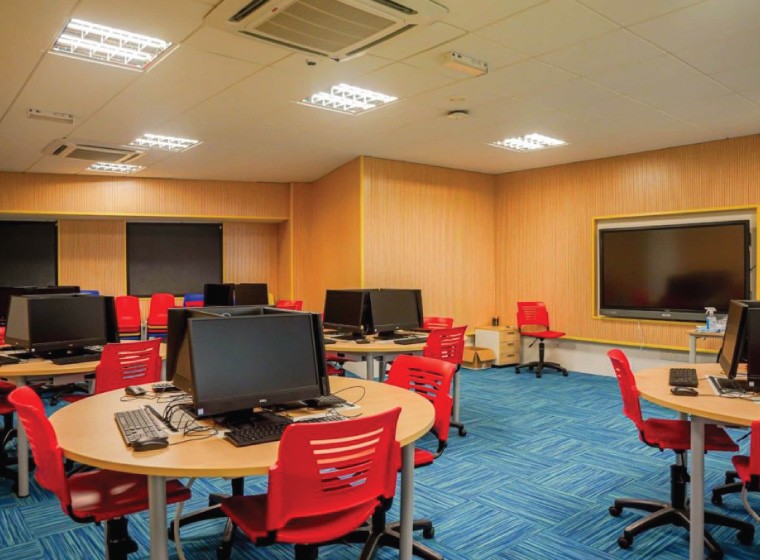
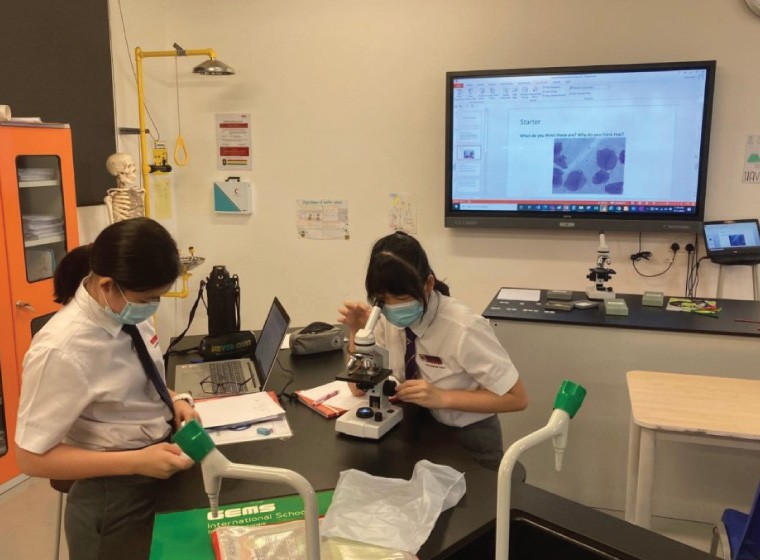
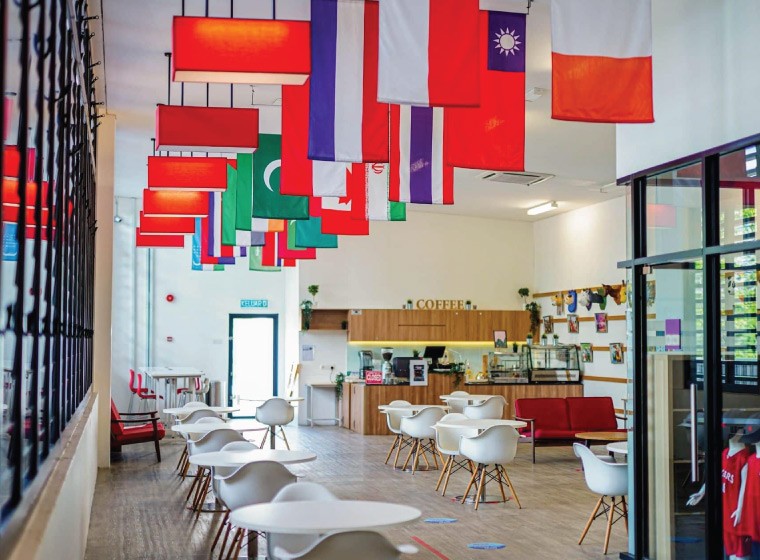

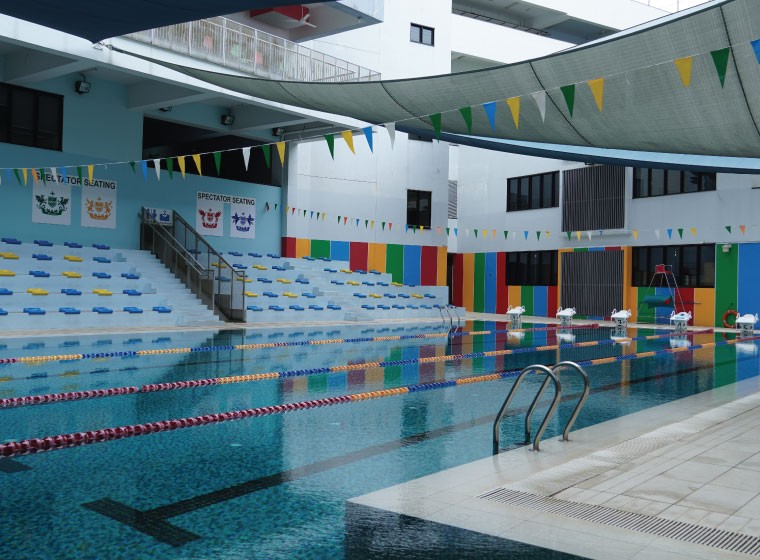




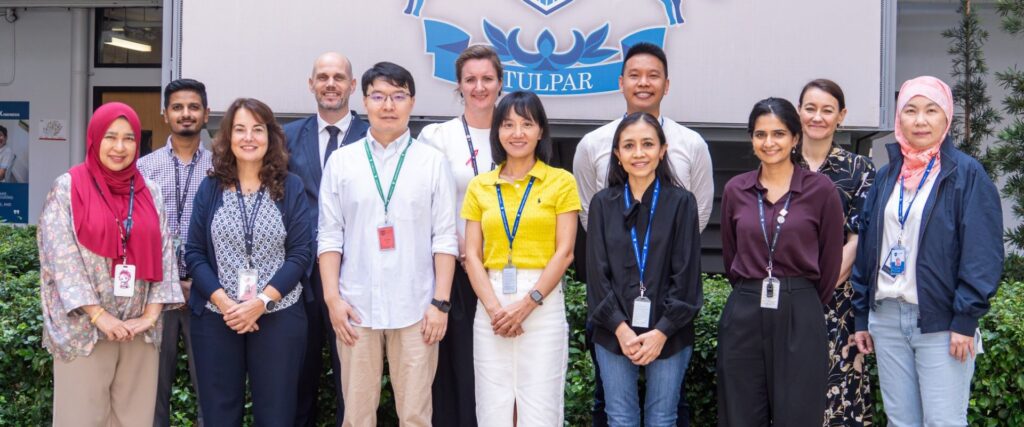

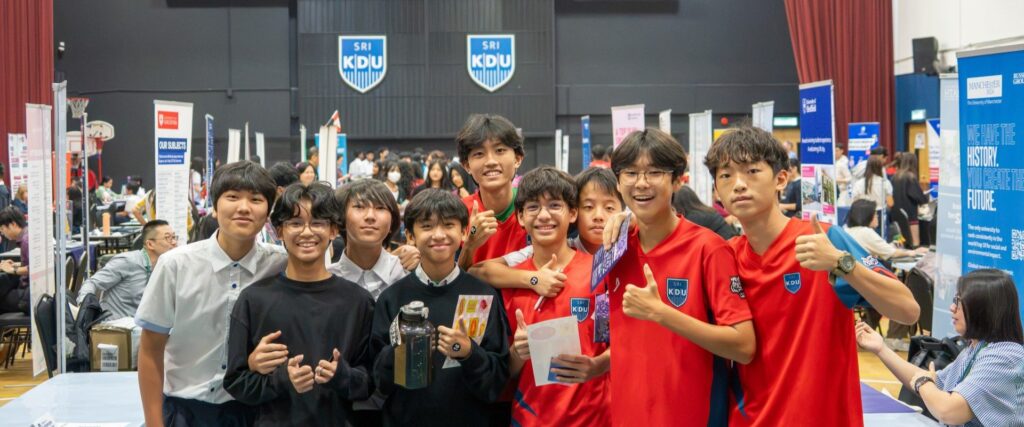
My son loves Sri KDU International School Subang Jaya. He enjoys good quality teachers who build his self-confidence and motivation. He is immersed in daily exchange of best practices with his fellow classmates. His learning is not confined to the classroom as lessons include physical education where various types of sports are available. Above all, his friends and classmates here are able to collaborate positively to bring out the best in one another.
We cannot possibly itemise every single reason he loves it here but this school is now his second home – and that is saying a lot!