Parents often ask what helps students move beyond strong grades and become confident thinkers who can handle real situations. One of the most effective approaches is project based learning, where students learn by investigating meaningful questions, working in teams, and producing outcomes they can explain and defend. In an international school setting, this approach supports both academic achievement and the real world skills students need for university and future careers.
What Project Based Learning Looks Like in Practice
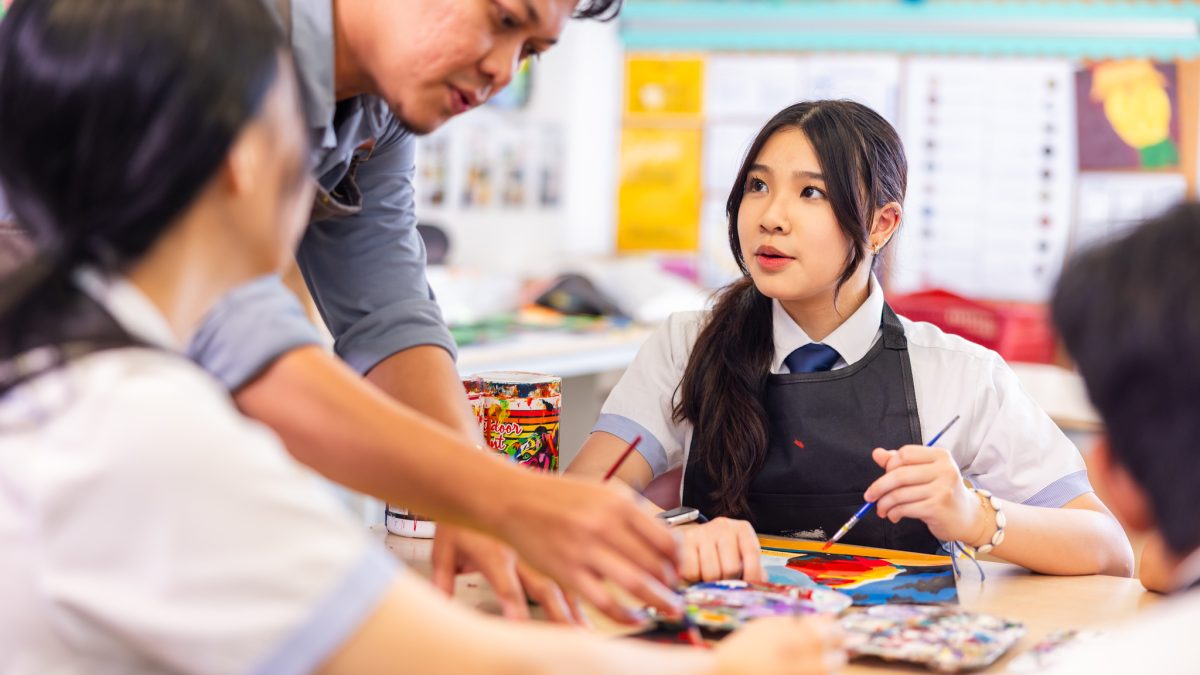
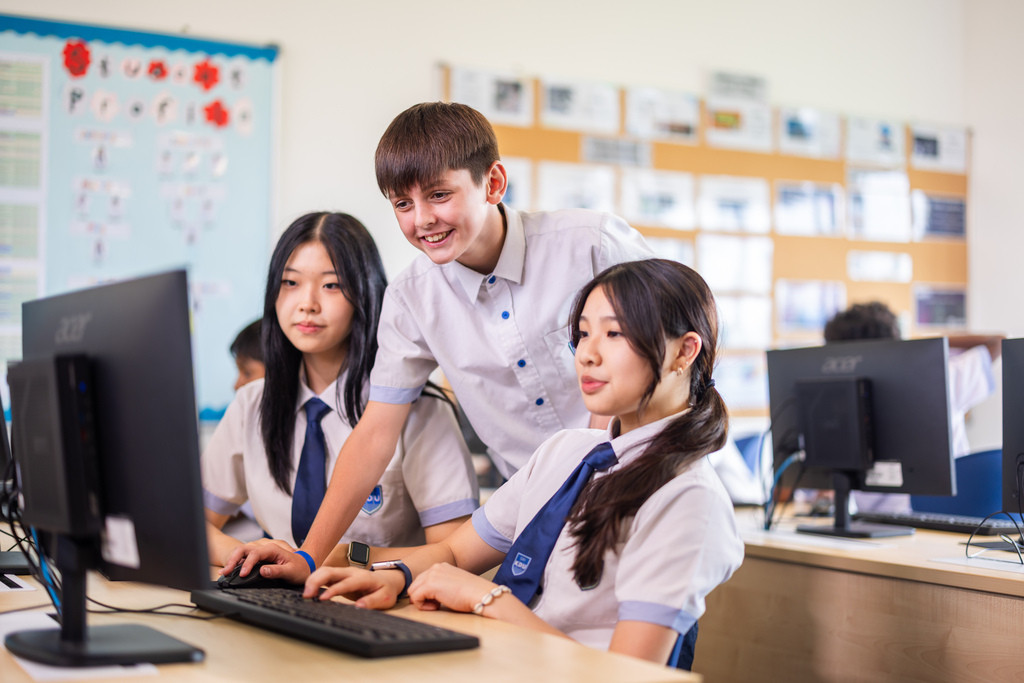
In project based learning, students do not simply memorise content and reproduce it in tests. Instead, they apply knowledge to solve a problem, make decisions, and communicate outcomes. Teachers guide the process by setting clear objectives, supporting inquiry, and providing feedback, while students take responsibility for researching, planning, refining and presenting their work.
This matters because real life challenges rarely come in neat subject chapters. Students need to connect ideas across disciplines and learn how to work through uncertainty. Research evidence supports the effectiveness of project based learning. A large meta analytic review found that project based learning significantly improved learning outcomes, including academic achievement and thinking skills when compared with traditional instruction.
Why Cross Subject Projects Build Stronger Learners
Well designed projects combine skills from multiple subjects, which mirrors how problem solving works outside school. A single project can develop core academic understanding while strengthening teamwork and communication. For example:
- Sustainability and science project: Students investigate waste reduction or energy use, collect data, present findings, and propose improvements. This integrates science, mathematics, and language skills.
- Humanities and communication project: Students examine a global issue, evaluate perspectives, and present evidence based arguments in a structured format.
- Design and innovation project: Students create a prototype, test it, reflect on results, and improve their design, which builds both creativity and logic.
International curricula also reflect this direction. Cambridge International describes the development of higher order thinking skills such as problem solving, critical thinking, independent research, collaboration, and presenting arguments as a core benefit of a Cambridge education.
Project Based Learning and Critical Thinking Skills
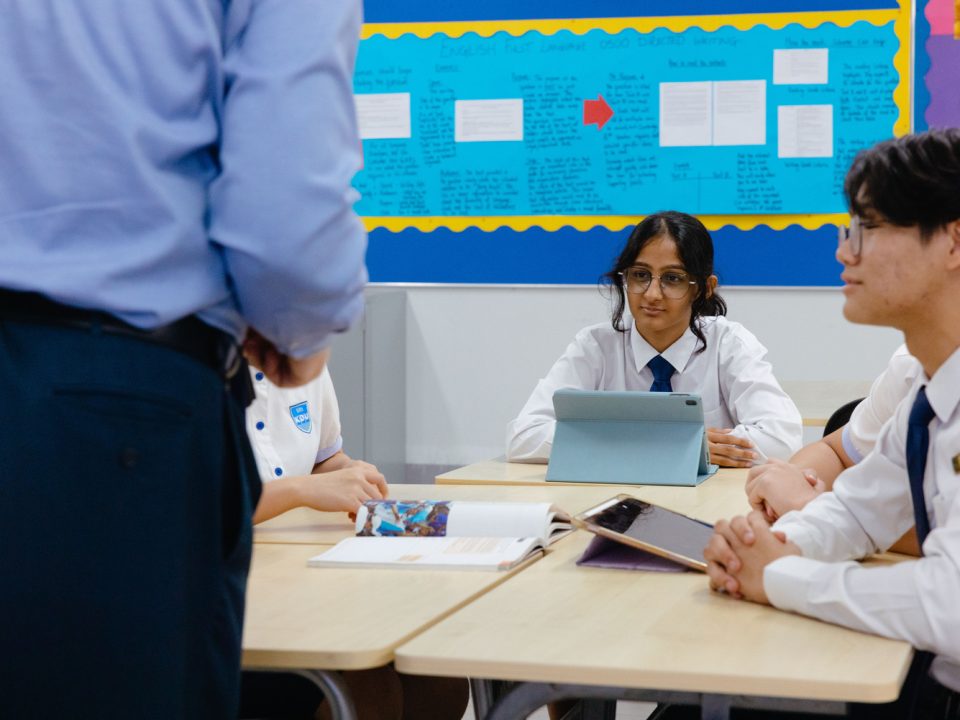
Parents often hear the term critical thinking skills, but the real question is how schools build it. Project based learning develops critical thinking by requiring students to do more than identify the correct answer. They must decide what information matters, evaluate evidence, justify conclusions, and reflect on improvement.
This closely matches what global education systems value. The OECD describes collaborative problem solving skills such as communicating, managing conflict, organising a team, building consensus and managing progress as skills found in project based learning and needed for work and civic life.
Communication and Collaboration That Transfers to University
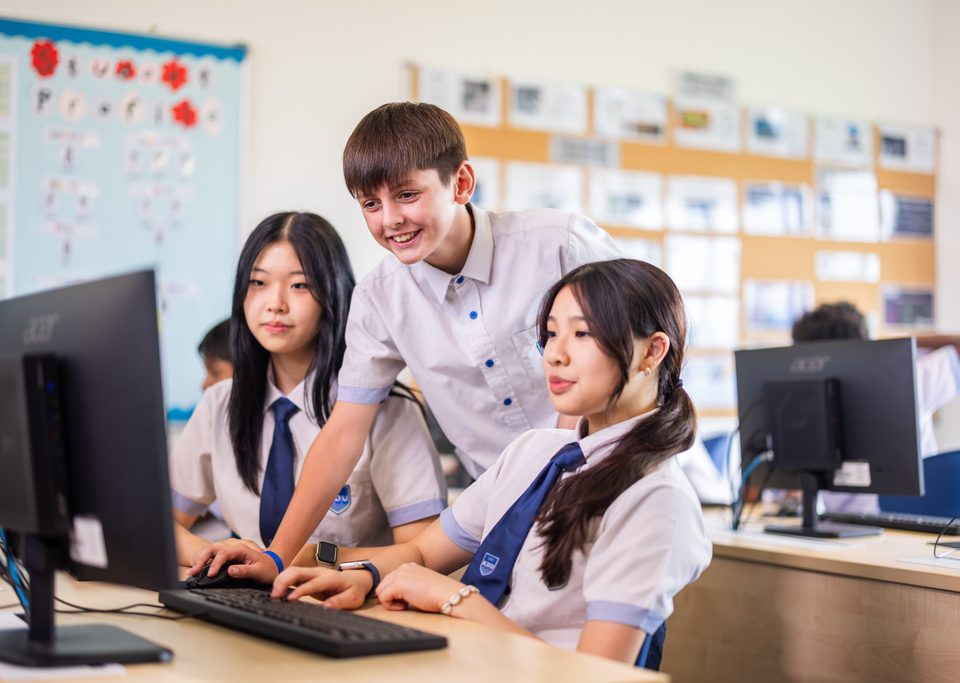
University readiness is not only about academic knowledge. It is also about how a student learns and works with others. Project based learning strengthens the habits students need for higher education, such as planning, meeting deadlines, presenting ideas, and responding to feedback. It also builds confidence because students practise explaining their thinking, which supports interviews, presentations, and group work later on.
Large scale evidence from OECD reporting shows that collaborative problem solving performance is positively related to performance in core academic subjects. This supports what many parents intuitively want, which is a learning approach that strengthens both results and real world capability.
The Sri KDU Advantage
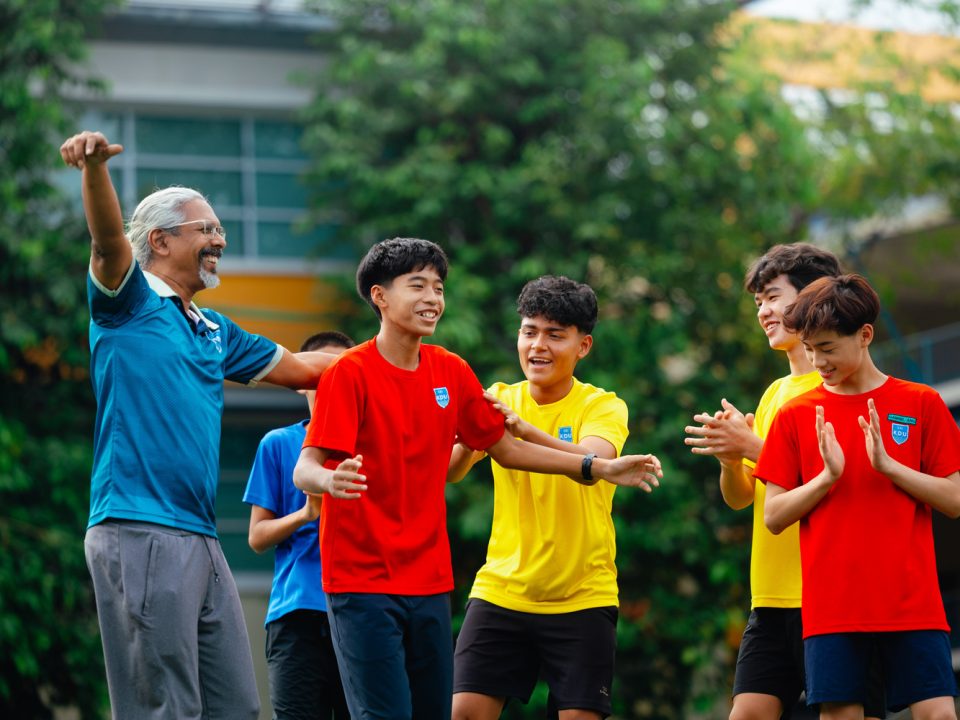
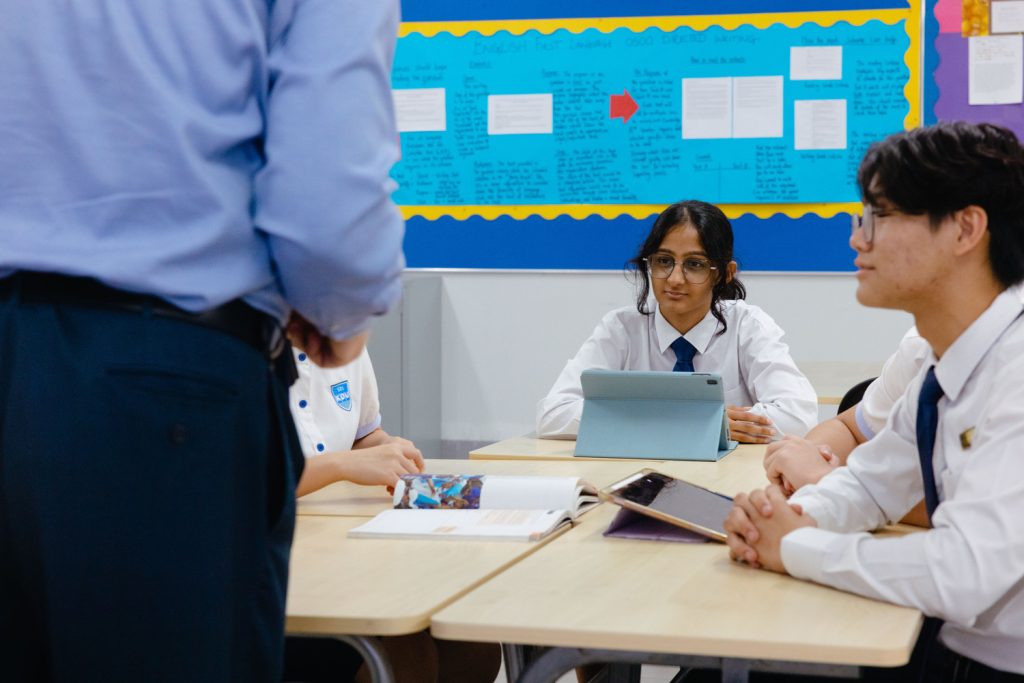
At Sri KDU, project based learning supports a holistic approach to education. Students learn to connect knowledge across subjects, collaborate with peers, and communicate outcomes clearly. Teachers facilitate learning by guiding inquiry, shaping strong discussion, and ensuring students remain challenged and supported. This helps students build academic mastery while developing the confidence and critical thinking skills needed for life beyond school.
When project based learning is delivered well, it does not replace academic rigour. It strengthens it. Students learn content more deeply because they use it, explain it, and apply it in meaningful contexts.
Parents who want their children to be capable, articulate, and future ready often look for a school environment that trains students to think, not just to remember. Project based learning is one of the clearest ways to see that difference in action. Put your confidence in us and learn more at https://srikdu.edu.my/homepage/













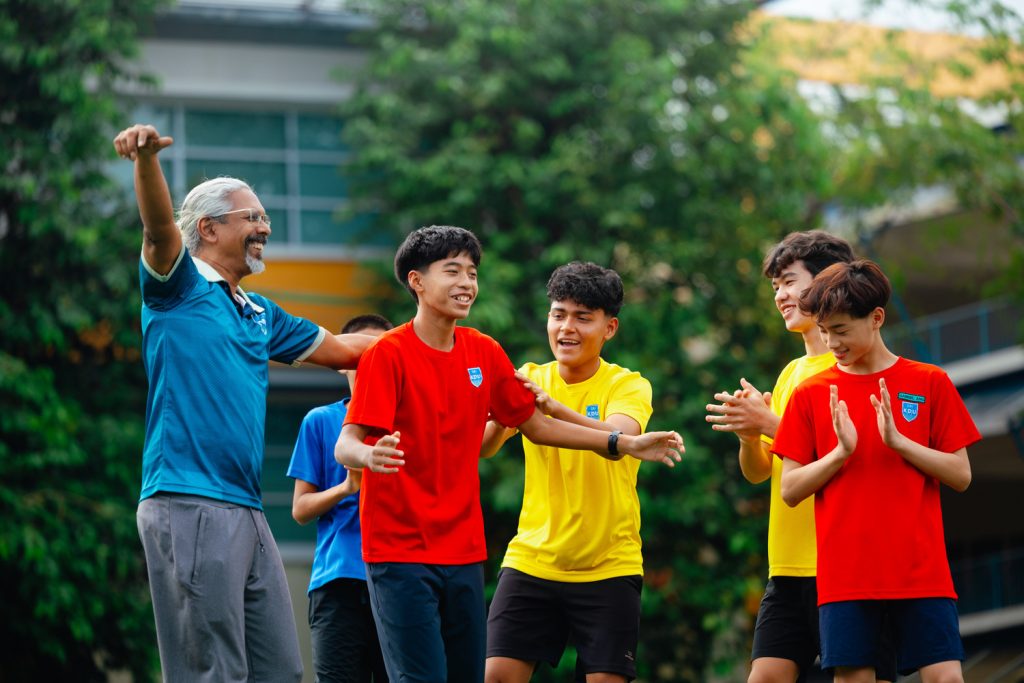
Growing up in Sri KDU Secondary School has given me a multitude of skills and plenty of opportunities. Having spent years in an institution that has always pushed for holistic education, focusing on supplementing academics with co-curricular activities has pushed students like me to step out of their comfort zone to really deep dive into our own individual strengths and weaknesses. The many activities and events held in school like Paramount Championships or Performance & Awards Nights have truly supported me to build confidence and step outside of my comfort zone. I am also grateful that beyond the SPM syllabus I had in 2009, I also get to widen my horizons with compulsory classes for Mandarin and ICT which have proven useful today in my career. I believe this has greatly impacted my way of working now, especially in my industry and line of work.