Every child learns in their own way. Visual learners absorb diagrams and charts easily; auditory learners thrive through discussion and speech; kinesthetic learners engage best with movement and hands-on tasks; while reading/writing-oriented learners prefer reflecting on and noting what they’ve absorbed. Recognising these different learning styles is crucial in schools today, where inclusivity and adaptability matter.
Sri KDU Schools lead the way in Malaysia’s international education sector, offering a truly inclusive, student-centred teaching culture. By embracing blended learning, fostering flexible classroom environments, and enabling collaborative projects, Sri KDU ensures every learner has the opportunity to thrive.
Understanding Different Learning Styles in Modern Education
The old one-size-fits-all model no longer serves the dynamic needs of students. Educators now understand that when instruction aligns with different learning styles and is delivered flexibly, students show greater engagement, deeper understanding, and stronger outcomes.
At Sri KDU, this understanding forms the foundation of our inclusive culture. Whether students are visual, auditory, kinesthetic or reading/writing-oriented, our teaching methods are designed to recognise and respond to those differences.
Understanding Different Learning Styles in Modern Education
The VARK framework (Visual, Auditory, Read/Write, and Kinesthetic) remains one of the most widely referenced descriptions of learner preferences. Research and classroom practice have shown that learners benefit when instruction is varied and responsive. This includes recognising preferences such as:
- Visual learning – understanding through diagrams, charts, presentations, and demonstrations
- Auditory learning – retaining information through discussions, storytelling, and verbal explanations
- Kinesthetic learning – learning best through physical activities, experiments, and movement
- Reading/writing-focused learning – gaining clarity through note-taking, reading tasks, and written reflection
Sri KDU integrate these approaches not as isolated strategies but as part of a cohesive, student-centred teaching framework.
Blended Learning: A Flexible Pathway for Every Learner
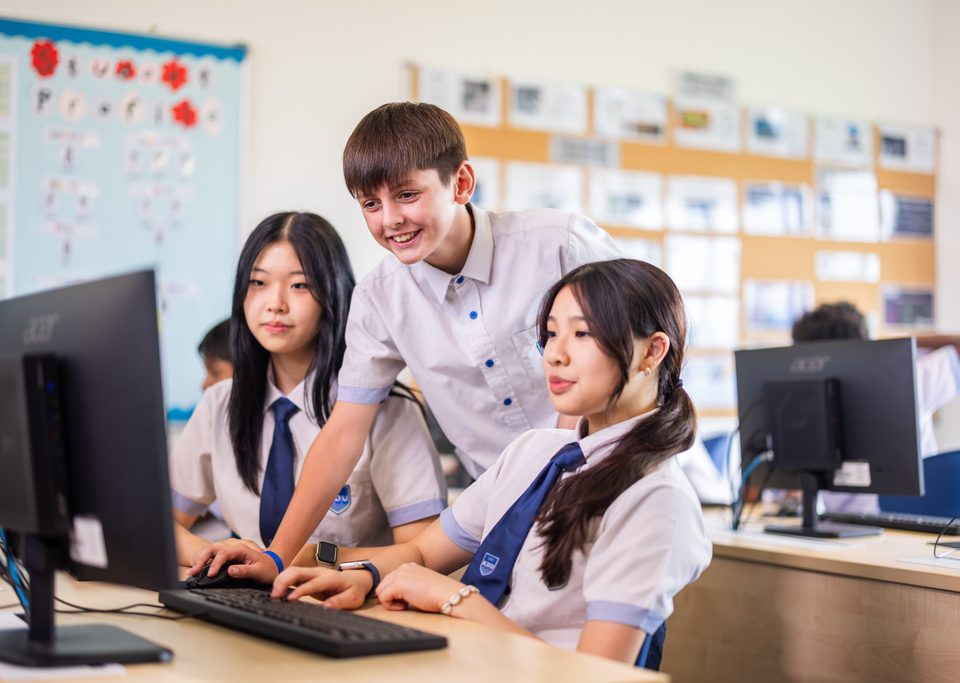
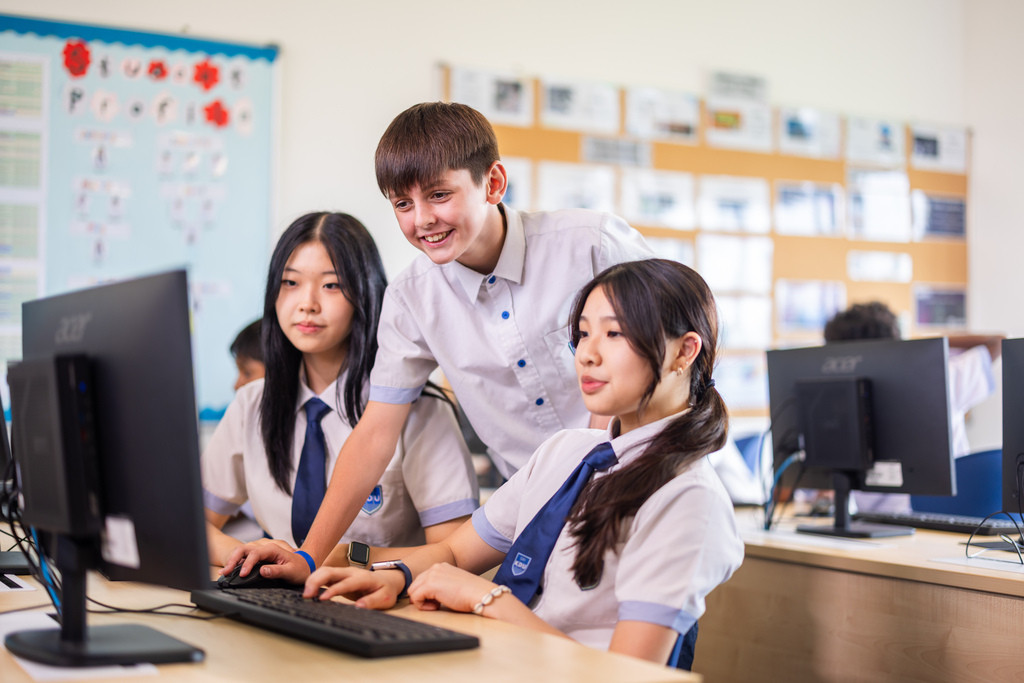
Blended learning, which combines face-to-face instruction with digital tools, has been shown to enhance learning by supporting differentiated instruction and accommodating different learning styles. At Sri KDU, digital platforms complement classroom teaching to:
- support visual learners with multimedia resources and interactive simulations;
- enable auditory learners to review recorded discussions and verbal explanations;
- engage kinesthetic learners through virtual labs, quizzes and hands-on follow-ups;
- empower reading/writing learners through digital texts, research tasks and written reflection.
This flexible model not only enhances personalisation but also prepares students for future academic and professional environments where digital literacy is essential.
Student-Centred Teaching That Celebrates Individual Growth
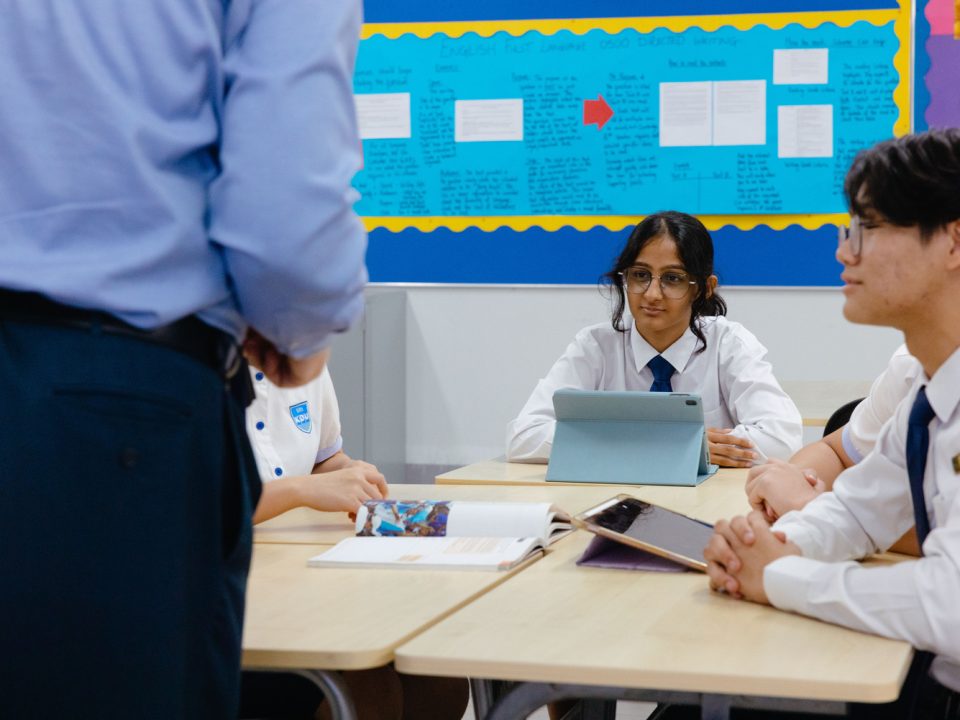
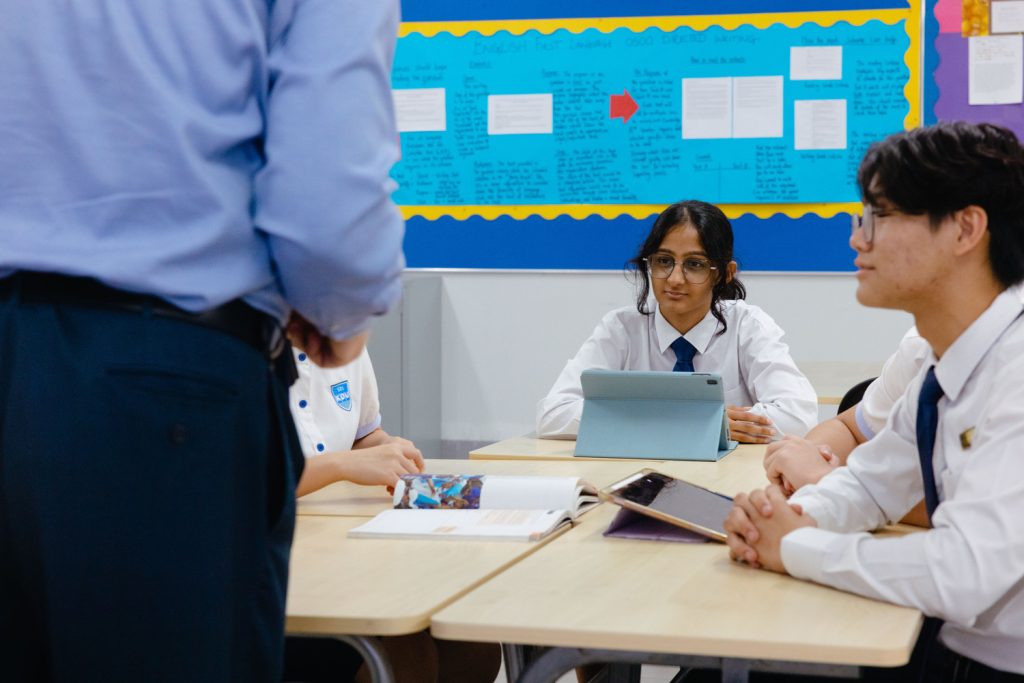
Student-centred teaching emphasises active participation, inquiry, and self-directed learning, which is an approach widely recognised for improving critical thinking and learner autonomy. At Sri KDU, classrooms are designed around the learner. Our student-centred approach includes:
- Inquiry-based learning: where students ask questions, investigate and uncover solutions.
- Project-based tasks: which allow collaborative, real-world learning experiences.
- Choice-driven assignments: encouraging students to express understanding in ways that match their strengths.
- Small-group learning: supporting peer collaboration and communication.
These strategies ensure students remain engaged and develop essential soft skills such as communication, leadership, independence and problem-solving. By putting students at the heart of our approach, Sri KDU adapts to different learning styles and supports every child’s path to success.
Collaborative Projects That Engage Every Type of Learner
Collaborative tasks help students apply knowledge in meaningful ways while appealing to different learning styles. Research shows that group-based learning improves achievement, motivation and social skills. At Sri KDU, interdisciplinary projects allow:
- visual learners to focus on design, visuals and presentations;
- auditory learners to lead discussions, interviews and group communication;
- kinesthetic learners to build, experiment and prototype;
- reading/writing learners to take charge of research, documentation and reporting.
These experiences mirror the kind of teamwork students will encounter in university and future careers, helping them learn how to collaborate, communicate and contribute confidently in diverse groups. By working across different subject areas and engaging with varied perspectives, students develop the ability to solve problems together, manage shared responsibilities and adapt to new challenges, which are qualities that support their growth as capable, future-ready learners.
The Impact of Sri KDU’s Adaptive Learning Environment
The emphasis on blended learning, student-centred teaching, and flexible classrooms has a noticeable impact on students:
- Higher engagement as learners feel seen, understood, and supported
- Improved confidence through choice-based learning and collaborative activities
- Better academic performance thanks to personalised pathways and self-paced reinforcement
- Stronger soft skills, such as teamwork, problem-solving, and adaptability
- Greater readiness for global challenges, as students learn how to manage diverse tasks and digital tools
Parents also benefit from clearer insights into the different learning styles and their child’s learning habits, allowing home support to align with classroom strategies.
What’s Next: The Future of Learning at Sri KDU
As education continues to evolve, Sri KDU remains committed to strengthening its teaching and learning approach in line with our philosophy. This commitment means that students will continue engaging in varied, active-learning tasks that help them think critically, collaborate effectively and approach challenges with confidence.
Sri KDU also highlights the importance of operating in a blended way and being technologically literate, indicating that future developments may include continued integration of digital tools to support learning and communication. Across our campuses, we emphasise high-quality teaching anchored in research-based best practices and personalised pathways, and this emphasis will continue shaping teacher development and classroom innovation.
As learning needs grow more diverse, Sri KDU will continue refining our approach to ensure every child receives the support they need to flourish, regardless of their different learning styles, an approach further reflected in our commitment to high-quality teaching and learning.
















Growing up in Sri KDU Secondary School has given me a multitude of skills and plenty of opportunities. Having spent years in an institution that has always pushed for holistic education, focusing on supplementing academics with co-curricular activities has pushed students like me to step out of their comfort zone to really deep dive into our own individual strengths and weaknesses. The many activities and events held in school like Paramount Championships or Performance & Awards Nights have truly supported me to build confidence and step outside of my comfort zone. I am also grateful that beyond the SPM syllabus I had in 2009, I also get to widen my horizons with compulsory classes for Mandarin and ICT which have proven useful today in my career. I believe this has greatly impacted my way of working now, especially in my industry and line of work.