Many parents today hear the term student centred learning, but it is not always clear what it looks like in daily classroom practice. At Sri KDU, student centred learning is not a concept on paper. It is an approach that shapes how lessons are taught, how students engage with knowledge, and how teachers support each learner’s development. This method moves beyond memorisation and creates meaningful learning experiences that prepare students for both academic success and life beyond school.
Understanding Student Centred Learning
Student centred learning places the learner at the heart of the educational process. Instead of students passively receiving information, they are encouraged to ask questions, explore ideas, collaborate with peers, and take ownership of their learning. Teachers guide discussions, design learning experiences, and support progress rather than simply delivering content.
At Sri KDU, this approach recognises that children learn best when they are actively involved. Lessons are structured to engage students intellectually and emotionally, helping them develop confidence, independence, and critical thinking skills.
What Happens in a Student Centred Classroom
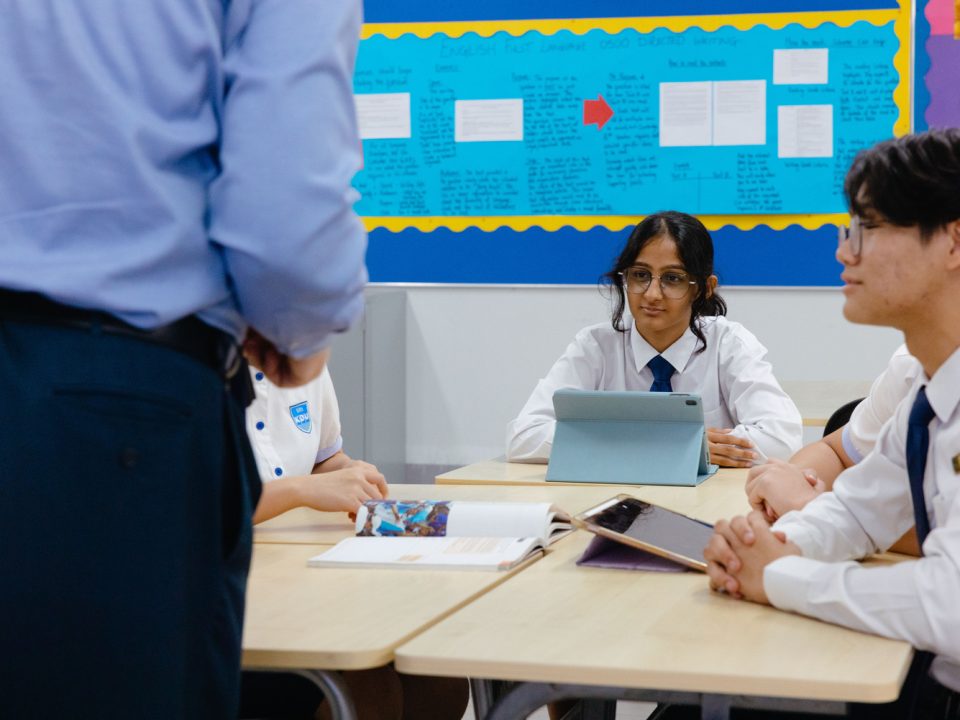
In a student centred learning environment, classrooms are dynamic and interactive. Students participate in discussions, share perspectives, and explain their thinking. Rather than focusing on one correct answer, teachers encourage students to justify ideas and explore multiple solutions.
For example, in a humanities lesson, students may analyse real world scenarios, debate viewpoints, and present findings to the class. In science, they may conduct experiments, interpret results, and reflect on outcomes. These experiences allow students to connect theory with application and develop a deeper understanding.
Inquiry Based Learning in Practice
Inquiry based learning is a core element of student centred learning at Sri KDU. Instead of starting with answers, lessons often begin with questions. Students investigate topics through research, observation, and discussion, guided by their teachers.
This approach builds curiosity and develops problem solving skills. Students learn how to gather information, evaluate sources, and draw conclusions independently. Over time, inquiry based learning strengthens analytical thinking and nurtures a lifelong love for learning.
Active Learning Beyond Listening
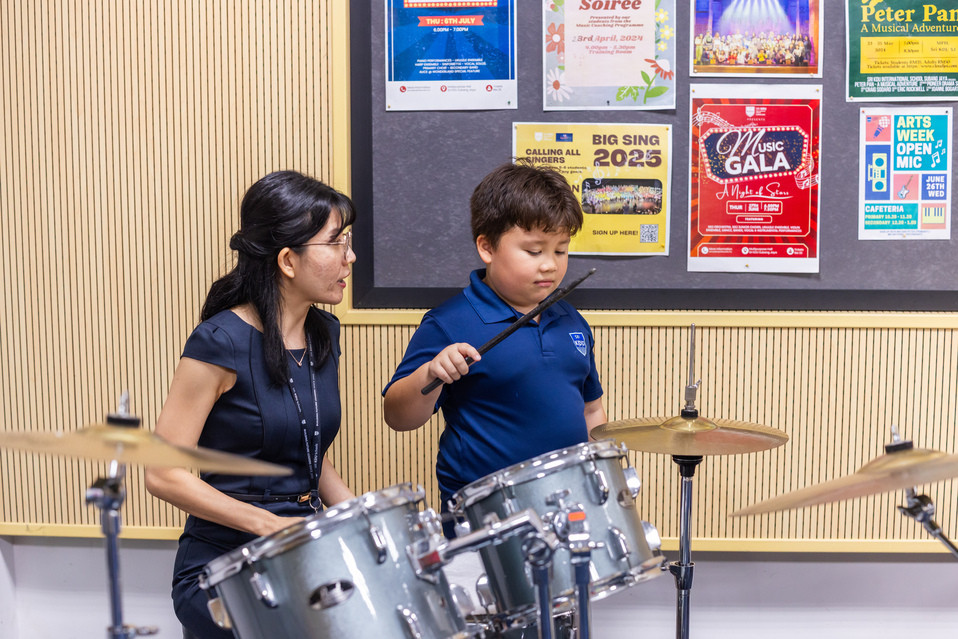
Active learning means students are engaged through doing, thinking, and reflecting. At Sri KDU, students work on projects, collaborate in groups, and participate in presentations and hands-on activities. These methods help students retain knowledge more effectively and understand concepts at a deeper level.
Active learning also develops communication skills. Students learn how to express ideas clearly, listen to others, and work respectfully in teams. These skills are essential for future academic pathways and professional environments.
The Teacher’s Role as a Facilitator
In student centred learning, teachers play a vital role as facilitators and mentors. At Sri KDU, teachers observe student progress closely, provide timely feedback, and adapt lessons to meet individual needs. This personalised support ensures that students are challenged appropriately and feel confident to participate.
Teachers guide students to think independently while providing structure and clarity. This balance allows students to develop self discipline and responsibility for their learning while remaining well supported.
How This Differs from Traditional Rote Learning
Traditional rote learning often focuses on memorisation and repetition, with success measured by the ability to recall information. While memorisation has its place, it does not fully prepare students for the demands of higher education or modern careers.
Student centred learning, on the other hand, emphasises understanding, application, and reflection. Students are assessed on how they think, communicate, and solve problems. This approach helps parents visualise a classroom where learning is engaging, relevant, and meaningful.
Preparing Students for the Future
The skills developed through student centred learning extend far beyond school. Students become confident learners who can adapt to new situations, manage challenges, and collaborate effectively. Inquiry based learning and active learning prepare them for university environments that demand independent thinking and initiative.
At Sri KDU, this approach ensures that students are not only academically capable but also resilient, curious, and self motivated. These qualities support long-term success in education and life.
Why Parents Choose Sri KDU
Parents who choose Sri KDU value an education that goes beyond textbooks. They want their children to enjoy learning, think deeply, and grow with confidence. Student centred learning provides exactly that experience, supported by experienced teachers, modern facilities, and a caring school culture.
Sri KDU offers a learning environment where every student is encouraged to participate, question, and thrive. Through thoughtful teaching practices and a commitment to holistic development, students are prepared to succeed in a rapidly changing world.
Discover how student centred learning at Sri KDU creates engaging classrooms and confident learners. Visit the Sri KDU website at https://srikdu.edu.my/homepage/ or arrange a campus visit to experience this approach firsthand.
















Growing up in Sri KDU Secondary School has given me a multitude of skills and plenty of opportunities. Having spent years in an institution that has always pushed for holistic education, focusing on supplementing academics with co-curricular activities has pushed students like me to step out of their comfort zone to really deep dive into our own individual strengths and weaknesses. The many activities and events held in school like Paramount Championships or Performance & Awards Nights have truly supported me to build confidence and step outside of my comfort zone. I am also grateful that beyond the SPM syllabus I had in 2009, I also get to widen my horizons with compulsory classes for Mandarin and ICT which have proven useful today in my career. I believe this has greatly impacted my way of working now, especially in my industry and line of work.