In many classrooms, note taking is still seen as a simple academic habit or a way to prepare for examinations. In reality, note taking is far more important than that. It is a thinking tool that helps students process information, organise ideas, and build deeper understanding. At Sri KDU, strong learning is not based on memorising content alone. It is built on helping students develop the habits of mind that support independence, confidence, and long term academic success through a thoughtful teaching and learning approach.
Note Taking as a Tool for Understanding
Good note taking helps students do more than record what a teacher says. It requires them to listen carefully, identify key points, and decide what matters most. This means students are actively thinking while they learn. Instead of copying information without reflection, they are processing ideas in real time and making meaning from what they hear, read, or observe.
This is why note taking should be viewed as one of the most valuable learning skills a student can develop. When students learn how to summarise information in their own words, connect concepts, and structure ideas clearly, they strengthen both comprehension and memory. These are skills that support academic performance across every subject.
Note Taking in a Student Centred Classroom
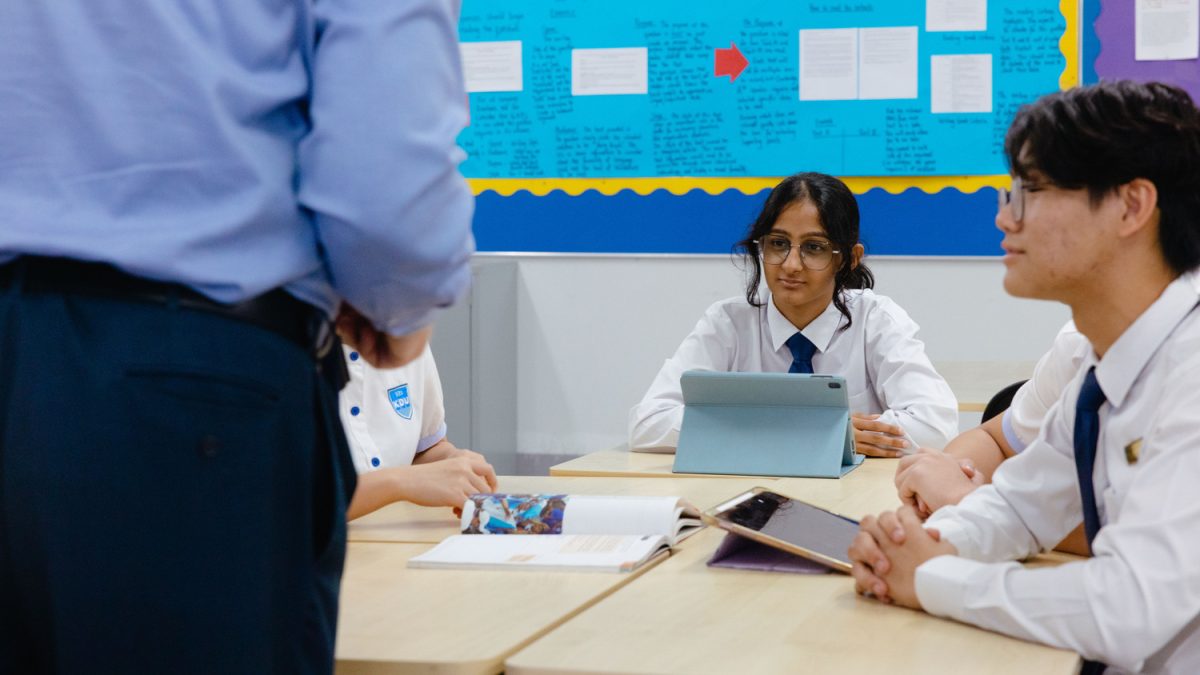
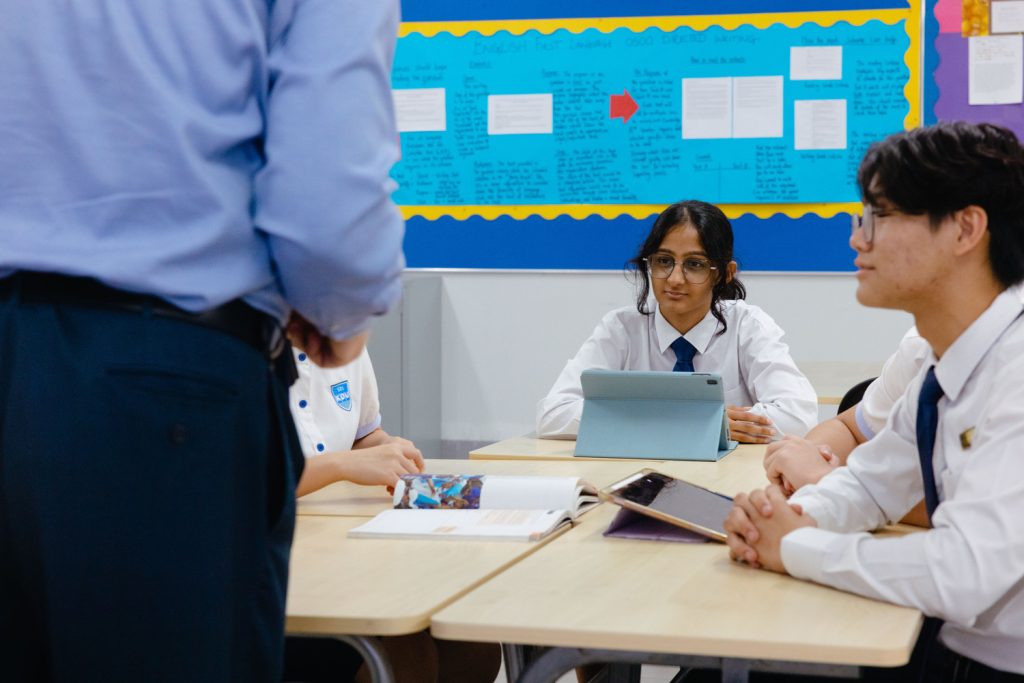
In a strong student centred learning environment, students are encouraged to take ownership of how they learn. Note making becomes part of this process because it helps them reflect, question, and engage with ideas more actively. Instead of depending entirely on slides or worksheets, students learn how to identify key concepts for themselves and turn classroom information into personal understanding. Sri KDU’s published learning philosophy emphasises active participation, inquiry, and learner ownership, which makes this kind of note taking especially relevant in daily classroom practice.
Supporting Different Learning Styles
Not every student processes information in the same way. Some understand best through listening, others through reading, visual structure, or written reflection. Good capturing information helps students work in ways that suit different learning styles because it gives them a personal method for organising knowledge. A student may prefer bullet points, diagrams, colour coding, mind maps, or short written reflections, depending on how they make sense of information. Sri KDU’s published content on learner preferences highlights that reading, writing, and note based reflection remain important ways students gain clarity and build understanding.
Why Effective Note Taking Matters
Effective note taking improves focus and engagement. Students who take thoughtful notes are more likely to stay attentive during lessons because they are involved in the learning process. They are not simply receiving information. They are selecting, organising, and interpreting it.
This also makes revision more meaningful. When notes are clear and purposeful, students can return to them later and understand not only what they learned, but how ideas connect. This supports confidence during assessments, but more importantly, it supports genuine understanding throughout the learning journey.
Note Taking and Project Based Learning
Note taking also plays an important role in project based learning. When students work on extended tasks across subjects, they need to gather ideas, record observations, track research, and organise key findings clearly. Good notes help students manage information, collaborate more effectively, and prepare stronger presentations or written responses. Sri KDU’s wider academic approach includes collaborative and project based tasks that encourage students to connect knowledge, think critically, and communicate clearly.
Strengthening Study Skills and Independence
As students progress through school, the demands of learning become more complex. They are expected to manage larger amounts of information, make stronger connections between topics, and study more independently. This is where note taking becomes an essential part of strong study skills.
Students who know how to take useful notes are often better prepared to revise, write, discuss, and reflect. Their notes become a personal academic resource that supports planning, recall, and deeper thinking. Over time, this builds independence. Instead of relying entirely on worksheets or presentation slides, students learn how to create their own learning tools.
Building Confident Learners
At Sri KDU, education is designed to help students become confident and capable learners. Note taking supports this because it teaches students how to take responsibility for their learning. They begin to understand that success is not only about receiving information from a teacher, but about engaging with it, organising it, and using it well.
When students develop effective note taking habits, they are better able to participate in class, prepare for assignments, and approach new topics with clarity. These habits help them feel more in control of their progress, which builds confidence over time.
Preparing Students for the Future
The value of note taking continues well beyond school. In higher education and professional life, students and adults are constantly expected to listen, interpret information, and respond thoughtfully. The ability to capture ideas clearly and use them effectively remains one of the most practical and transferable learning skills a student can have.
For parents, this makes note taking an important sign of academic maturity. It shows that a child is not only learning content, but also developing the discipline and thinking habits needed for future success. At Sri KDU, these qualities are nurtured intentionally through an environment that values reflection, inquiry, and purposeful learning.
Discover how Sri KDU helps students build strong note taking habits, confident thinking, and lasting academic success through a learning environment designed for depth, independence, and excellence at https://srikdu.edu.my/homepage/.

















Growing up in Sri KDU Secondary School has given me a multitude of skills and plenty of opportunities. Having spent years in an institution that has always pushed for holistic education, focusing on supplementing academics with co-curricular activities has pushed students like me to step out of their comfort zone to really deep dive into our own individual strengths and weaknesses. The many activities and events held in school like Paramount Championships or Performance & Awards Nights have truly supported me to build confidence and step outside of my comfort zone. I am also grateful that beyond the SPM syllabus I had in 2009, I also get to widen my horizons with compulsory classes for Mandarin and ICT which have proven useful today in my career. I believe this has greatly impacted my way of working now, especially in my industry and line of work.