Parents often focus first on academic progress, but a child’s ability to communicate, collaborate, and build healthy relationships is just as important. Strong social skills shape how students participate in class, manage friendships, handle disagreement, and grow in confidence. In an international school environment, these qualities are developed not only through formal lessons but also through daily interaction with peers. At Sri KDU, peer interaction is part of a wider learning culture that supports collaboration, leadership, and personal growth.
Why Social Skills Matter in School
Social skills are not simply about being outgoing. They include listening well, expressing ideas respectfully, reading social situations, contributing to a group, and responding with maturity when challenges arise. OECD notes that social and emotional skills such as co operation, sociability, curiosity, and self control are linked to academic achievement, wellbeing, and longer term life outcomes. This is why schools that intentionally develop these capabilities are preparing students for more than exams alone.
For parents, this matters because a socially confident child is often better able to participate in lessons, ask for help when needed, and build the resilience required to navigate school life successfully. When students feel secure in peer settings, they are more likely to contribute, explore ideas openly, and grow in self belief.
How Peer Learning Builds Confidence
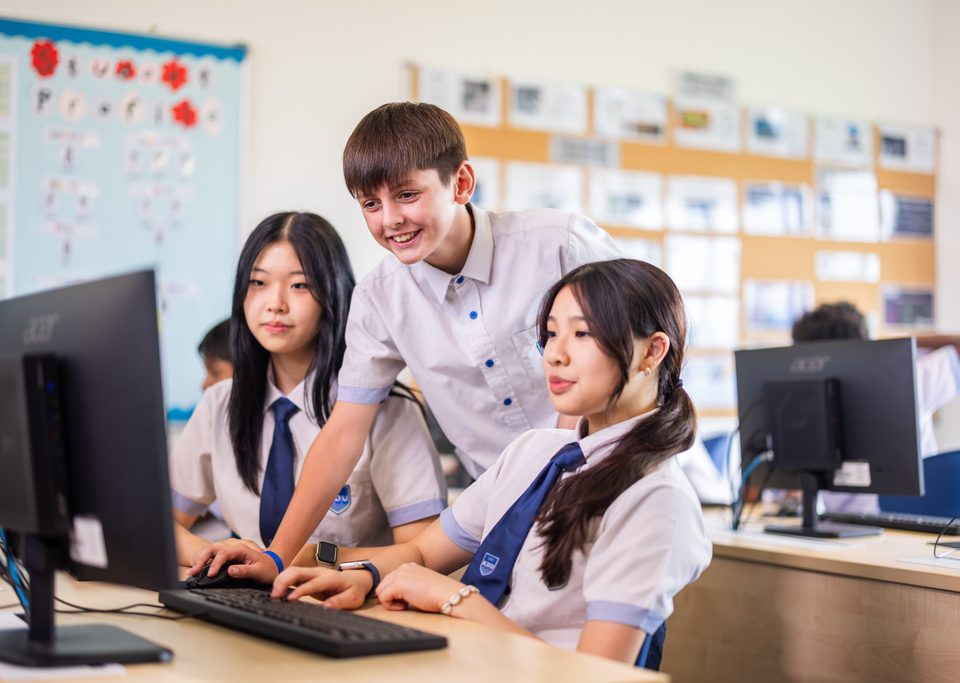
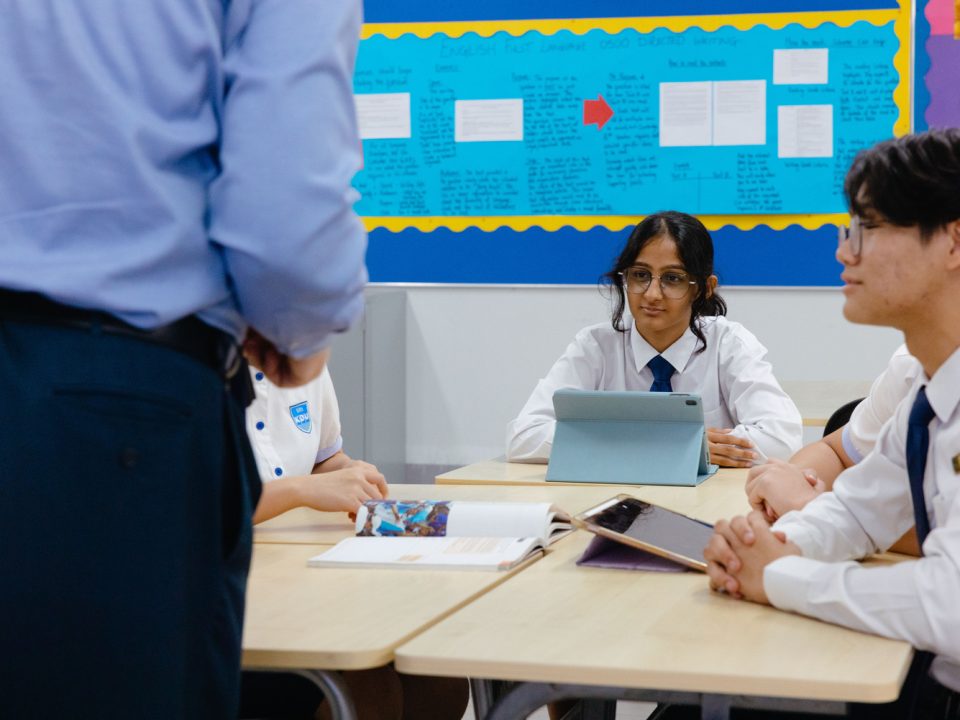
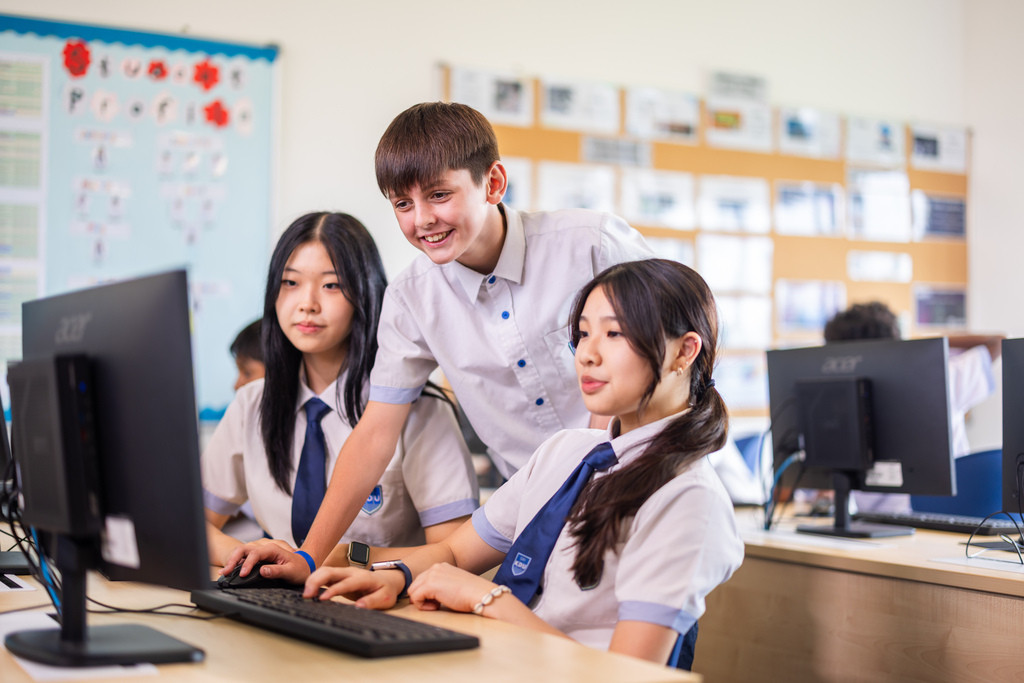
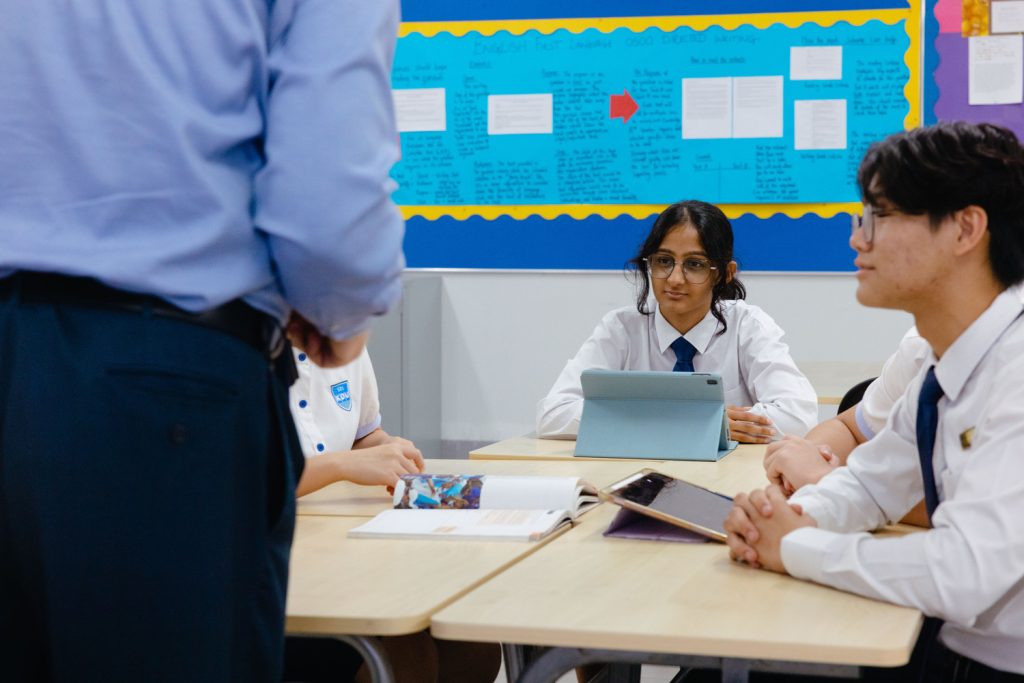
One of the clearest ways children develop social skills is through peer learning. In well structured classrooms, students do not learn in isolation. They discuss, compare ideas, solve problems together, and learn how to explain their thinking to others. Sri KDU’s own student centred learning approach describes classrooms where students are encouraged to ask questions, explore ideas, collaborate with peers, and take ownership of their learning.
This kind of interaction strengthens confidence because students practise speaking up in meaningful ways. They learn that their ideas have value, and they also learn to listen to different perspectives. Over time, this improves classroom participation and helps students become more comfortable in both academic and social settings. OECD’s work on collaboration describes it as a social process of knowledge building that depends on communication, sharing resources, introducing new ideas, and resolving differences constructively.
Teamwork as Social Skills Are Built Through Everyday Practice
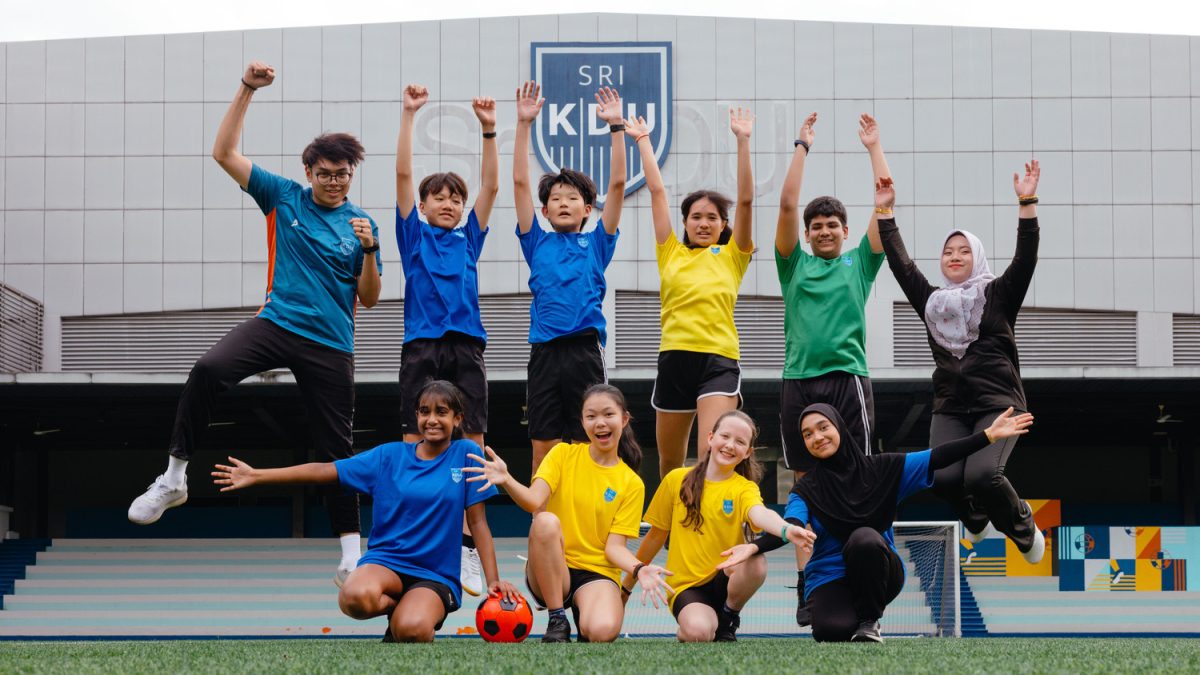
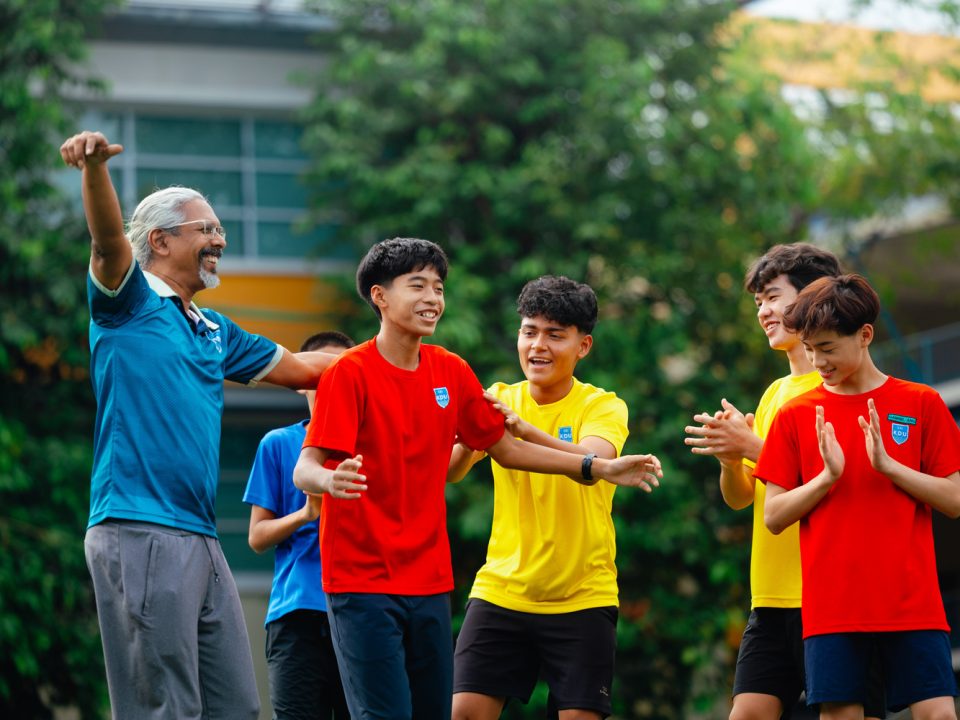
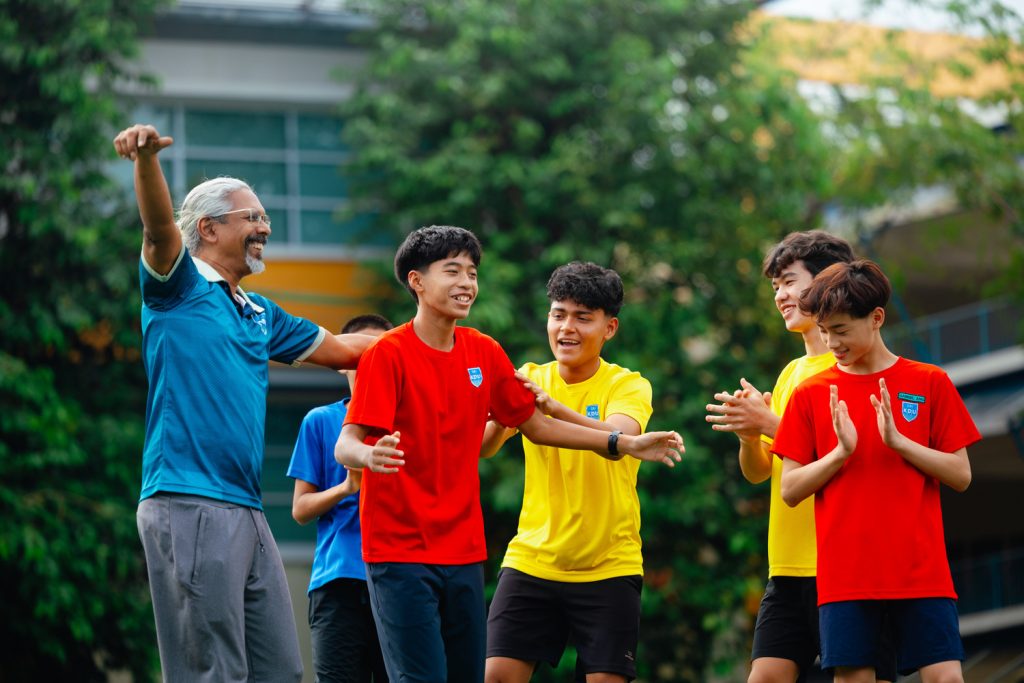
Parents often hear schools talk about collaboration, but it becomes most valuable when students practise it consistently. Teamwork skills are built when students contribute to group tasks, manage shared responsibilities, and work towards common goals. Sri KDU’s co curricular programmes explicitly emphasise leadership, teamwork, and collaboration, while its wider learning philosophy also highlights collaborative projects and discussion based learning.
This matters because teamwork is not instinctive for every child. Some students need to learn how to take turns, negotiate roles, accept feedback, and remain engaged even when a task becomes difficult. In the right environment, these experiences build patience, maturity, and confidence. Sri KDU’s co curricular and co curricular learning structures across campuses are presented as safe and supportive spaces where students develop physical, social, emotional, and intellectual strengths together.
Group Work and Cross Year Interaction
Peer interaction or Social Skill becomes especially meaningful when students engage with different age groups as well as close classmates. Cross year interaction can help younger students build confidence by learning from older peers, while older students develop empathy and responsibility through mentoring and leadership opportunities. Sri KDU’s student leadership messaging places strong emphasis on interpersonal communication, collaboration, reliability, and the ability to give and receive constructive criticism.
These experiences matter because social confidence grows when students are exposed to a wider community, not just one friendship circle. Group work, leadership roles, service opportunities, and co curricular activities all give students a broader sense of belonging. Sri KDU also presents its schools as communities focused on safe, happy, and successful learners, which is an important foundation for healthy peer relationships.
Understanding Peer Influence, Including FOMO
Parents are also right to think about peer influence. Friendship groups can shape behaviour, confidence, and decision making in powerful ways. One aspect of this is FOMO, or the fear of missing out. In school life, this can appear when students feel pressure to join certain social groups, activities, or trends simply to feel included.
The answer is not to remove peer influence altogether, because peer influence can also be highly positive. In a well guided school culture, students learn how to make responsible choices while still enjoying social connection. Healthy peer environments can motivate students to participate, try new activities, and develop stronger social skills. What matters is whether the school provides structure, guidance, and trusted adults who help students manage social pressures wisely. Sri KDU’s strong emphasis on pastoral support, student centred classrooms, and structured co curricular engagement helps create settings where peer influence can be channelled towards confidence, responsibility, and belonging rather than anxiety or exclusion.
How Social Skills Support Academic Success
Some parents may still wonder whether this focus takes attention away from academic performance. In reality, the two are closely connected. OECD findings show that social and emotional skills are linked to educational outcomes and future aspirations, and that developing these skills does not come at the expense of academic learning. Instead, they can support stronger outcomes.
This is especially relevant in classrooms where students are expected to present, discuss, collaborate, and think critically. A child with stronger social skills is often better prepared to contribute in group tasks, ask thoughtful questions, receive feedback, and approach challenges with composure. At Sri KDU, this aligns naturally with a school approach that values student centred learning, collaborative projects, and leadership development alongside academic excellence.
Why This Matters for Parents Choosing Sri KDU
Parents want more than a school that teaches content. They want an environment where children become confident, balanced, and socially capable individuals. Sri KDU consistently presents its educational approach as one that combines academic strength with broader student development, including leadership, collaboration, and communication. Its co curricular programmes, student leadership opportunities, and collaborative classroom practices all reinforce this direction.
For families, this means children are not only learning what to think, but also how to work with others, how to handle social dynamics, and how to grow in confidence within a community. That is the long term value of social skills. They help students thrive not only in school, but in life beyond it.
Discover how Sri KDU helps students build confidence, connection, and strong social skills through meaningful peer interaction and collaborative learning at https://srikdu.edu.my/homepage/













Growing up in Sri KDU Secondary School has given me a multitude of skills and plenty of opportunities. Having spent years in an institution that has always pushed for holistic education, focusing on supplementing academics with co-curricular activities has pushed students like me to step out of their comfort zone to really deep dive into our own individual strengths and weaknesses. The many activities and events held in school like Paramount Championships or Performance & Awards Nights have truly supported me to build confidence and step outside of my comfort zone. I am also grateful that beyond the SPM syllabus I had in 2009, I also get to widen my horizons with compulsory classes for Mandarin and ICT which have proven useful today in my career. I believe this has greatly impacted my way of working now, especially in my industry and line of work.